
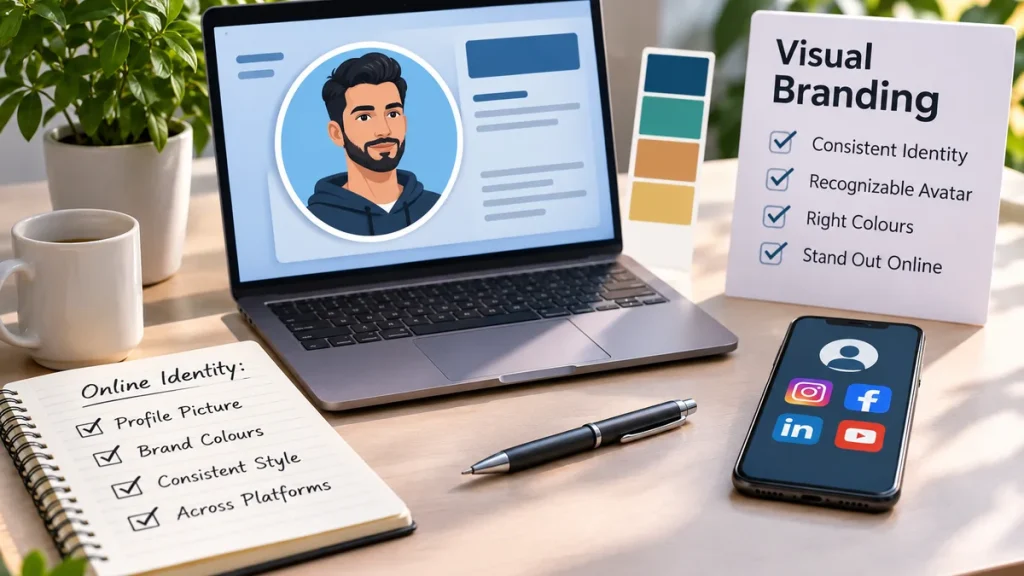
In today’s digital world, making a strong first impression matters more than ever. Whether you are running a business, building a personal brand, sharing creative work, or connecting with people online, your visual identity plays an important role in how others perceive you. A recognizable profile picture, consistent colours, and a distinctive style can help make your online presence feel more professional and memorable.
For a platform like Nafqeen, where digital experiences and online engagement are important, understanding the value of visual identity can help users make better choices about how they present themselves. One simple way to create a recognizable online personality is by using an avatar maker to design a personalized digital character that reflects your style, interests, or brand without relying on a traditional photograph.
Why Your Online Identity Matters
Think about the last time you visited someone’s social media profile or discovered a new website. Before reading much about the person or business, you probably noticed their profile image, logo, colours, and overall presentation.
These visual elements help establish an immediate impression.
A consistent online identity makes it easier for people to recognize you across different platforms. It also creates a sense of familiarity, which can be valuable when building relationships with customers, followers, or online communities.
For businesses, a recognizable visual identity can support brand awareness. For individuals, it provides an opportunity to express personality and creativity.
The goal is not necessarily to look different from everyone else. It is to create a visual presence that feels authentic and communicates something meaningful about who you are.
What Makes a Good Digital Avatar?
A digital avatar is a visual representation of a person or brand. It might be a realistic illustration, a cartoon character, a minimalist graphic, or a completely original design.
The best choice depends on where you intend to use it.
For example, someone running a professional consulting business might prefer a clean, simple illustrated portrait. A gaming enthusiast may choose a more expressive character, while a content creator could use an avatar that reflects their particular niche.
Regardless of the style, a few qualities make an avatar more effective.
1. Simplicity and Recognizability
An avatar often appears in a relatively small space. It might be displayed beside a comment, within a messaging application, or in a social media profile.
For this reason, complicated designs are not always the best option.
Choose a recognizable shape, clear facial features, and a limited colour palette. Avoid adding too many small details that disappear when the image is reduced.
2. Consistency With Your Personality
Your visual identity should feel like a natural extension of your personality or brand.
If your content focuses on technology, a modern and clean design may be appropriate. If you share lifestyle content, softer colours and a more relaxed illustration style might work better.
Consistency helps create a connection between your visual presentation and the content people can expect from you.
3. Appropriate Colours
Colours influence how people interpret visual designs.
Blue is often associated with reliability and professionalism, while green can suggest nature, growth, and balance. Warmer colours may create a more energetic or approachable impression.
You do not need to follow strict colour rules. Instead, choose shades that complement your overall branding and remain easy to recognize.
How Personalized Avatars Can Support Digital Branding
A strong brand is built through repeated, recognizable experiences. Your profile image is one small part of that experience, but it can contribute significantly to how people remember you.
Imagine a content creator who publishes articles, participates in online discussions, and maintains several social media accounts. Using completely different profile images on every platform can make it difficult for followers to recognize the same person.
A consistent avatar creates continuity.
The same principle applies to businesses. A company can use an illustrated character as part of its social media identity, website presentation, or marketing materials. When used consistently, that character can become a recognizable visual element associated with the brand.
This approach is particularly useful for businesses that want to develop a friendly and approachable personality without relying entirely on photographs of employees or founders.
Practical Ways to Use Avatars Across Different Platforms
Creating a design is only the beginning. Knowing where and how to use it can make your investment in visual branding more worthwhile.
Here are some practical applications.
Social Media Profiles
Social media platforms are often the first place people encounter an individual or business.
Using the same recognizable image across platforms such as Instagram, Facebook, and LinkedIn can help maintain a consistent identity.
Make sure your design works within circular profile-picture frames, as some platforms automatically crop uploaded images.
Website and Blog Profiles
A personalized illustration can add character to an author biography or team page.
For bloggers and website owners, this can make content feel more personal. Readers can begin associating articles with a recognizable visual identity, especially when the same image appears consistently across posts.
If you contribute to multiple websites, using a consistent profile image can also help establish familiarity with your audience.
Online Communities
Forums, discussion groups, and digital communities often encourage members to create individual profiles.
A distinctive avatar can help you stand out without needing to share personal photographs. It also gives you an opportunity to express your interests through visual elements.
For people who prefer maintaining some separation between their personal and professional lives, illustrated characters can be a practical alternative.
Gaming and Creative Platforms
Digital characters have long been part of gaming culture, but they are also popular among artists, designers, and creative communities.
An original character can represent your creative personality and become part of your wider online identity.
You might choose a particular hairstyle, outfit, colour combination, or accessory that reflects your interests.
Tips for Creating an Avatar That Looks Professional
You do not need advanced graphic design skills to create an appealing digital character. However, spending a little time planning the design can make a noticeable difference.
Start with a clear purpose. Decide whether the image is intended for professional networking, entertainment, personal blogging, or business branding. This will help determine the appropriate style.
Choose a consistent visual direction. Mixing too many artistic styles can make the final result look disorganized. Select one general approach and build around it.
Pay attention to the background. A simple background often works better than a complicated scene, particularly when the image will appear in a small profile frame.
Check how it looks at different sizes. An avatar that looks excellent on a computer screen might lose important details when displayed as a small mobile profile picture.
Avoid unnecessary decoration. Too many accessories, colours, and visual effects can distract from the main character.
Consider accessibility. Make sure there is enough contrast between the character and the background. Clear designs are easier for more people to recognize.
Common Mistakes to Avoid When Building an Online Identity
Even a well-designed character can become less effective if it is used without a consistent strategy.
One common mistake is changing profile images too frequently. While refreshing your branding occasionally is perfectly reasonable, constant changes can make it harder for people to recognize you.
Another mistake is choosing a design simply because it looks trendy. Popular visual styles change quickly, but your online identity should ideally remain relevant for longer.
It is also important to avoid copying another person’s distinctive character or branding. Inspiration is useful, but an original design gives you more room to develop a recognizable identity.
Finally, remember that visuals should support your content rather than replace it. A professional-looking profile picture may encourage someone to visit your page, but useful information, engaging communication, and consistent activity are what help build lasting relationships.
Bringing Your Digital Presence Together
A memorable online identity is about more than having an attractive profile image. It involves creating a consistent experience through your visuals, communication style, content, and overall presentation.
Start by choosing a visual direction that reflects your personality or business goals. Use it consistently, keep your designs simple, and make adjustments when your brand or online activities evolve.
Conclusion
Your online identity helps shape how people recognize, remember, and connect with you. A thoughtfully designed digital character can make your profiles more distinctive, strengthen visual consistency, and provide a creative way to express your personality.
Whether you are growing a personal brand, developing a business presence, or simply participating in online communities, investing time in your visual presentation is a worthwhile step toward building a more recognizable digital presence.